Cloud Telephony Services in Bangalore: Top Providers, Features & How to Get Started in 2026

9 mins read

Posted on Apr 25, 2025


Saravana Kumar
SEO


Saravana Kumar
SEO





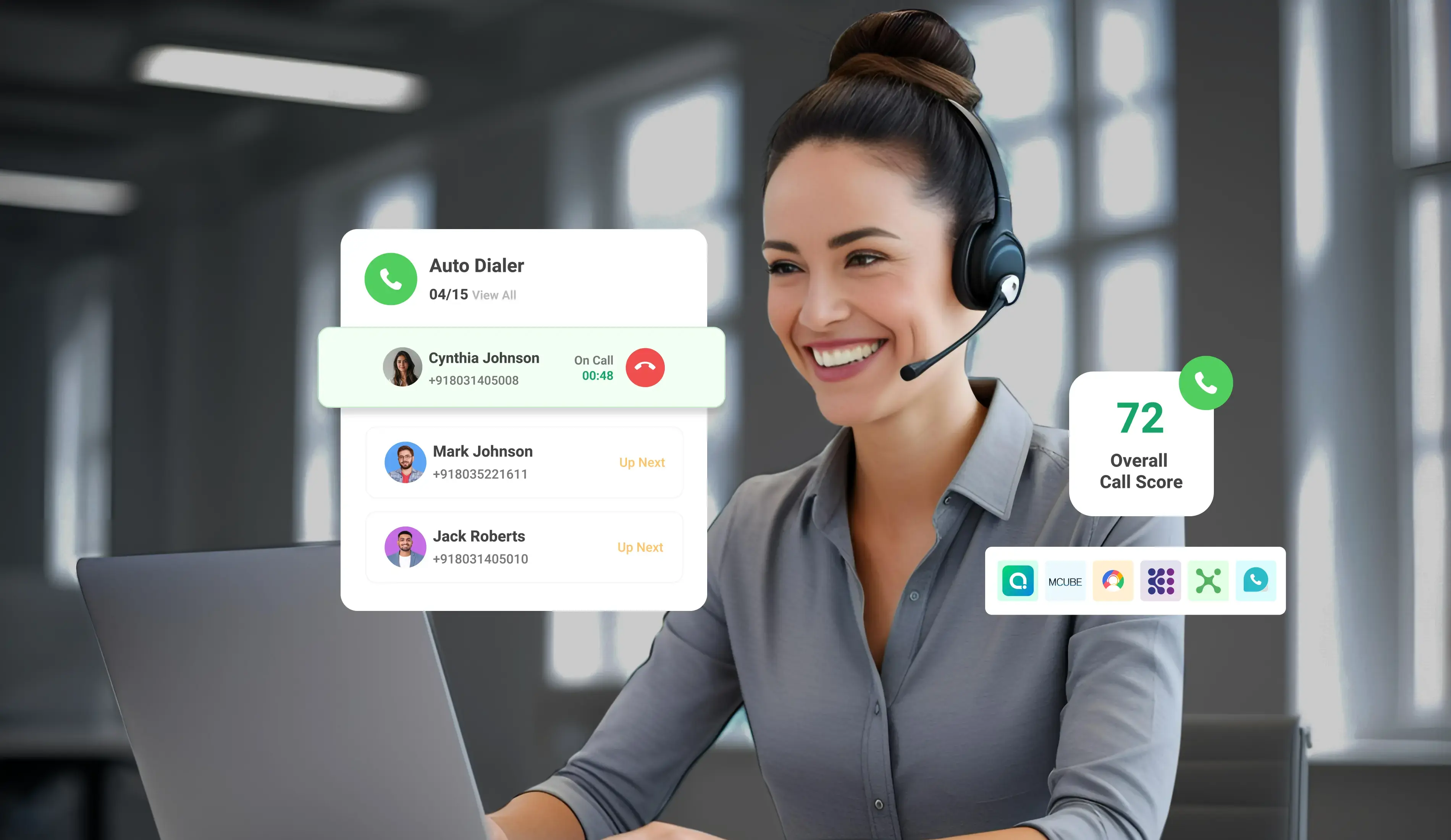
Cloud telephony lets a Bangalore business take calls over the internet instead of on a desk phone. You get a local 080 number, calls that go to the right person, and a dashboard that shows what happened on every call. For most teams, it is the simplest way to stop missing customers.
The problem is easy to spot. A call goes unanswered because someone is at lunch. A customer rings the founder’s personal number at 9 pm. Nobody knows which call became a lead and which was just an enquiry. It happens in IT offices in Whitefield, in Peenya factories, in busy diagnostic labs, and in startups where one phone does everything.
This guide covers the local providers, the features worth paying for, what it costs, and how to get started.
Why Bangalore Businesses Are Switching to Cloud Telephony
A factory in Peenya or Bidadi gets calls all day. Vendors ask when they will be paid. Transporters ask which gate to use. The dispatch team has to confirm the 4 pm truck.
With cloud telephony, each call goes straight to the right person. Every call is recorded, so if there is a dispute about what was promised, you can just play it back. A supplier who calls about a delivery slot reaches the dispatch desk in seconds, not after three transfers.

IT and SaaS teams in Whitefield and Electronic City
If your clients are in the US, the UK or the Gulf, your phone line is the first thing they notice. Cloud telephony keeps international calls affordable. A clear IVR system greets overseas callers and sends them to the right person. Your company looks established, and you don’t need a big telecom budget.
Kannada IVR
Many business interactions in Bangalore happen in Kannada, and a phone menu that only speaks English leaves a lot of callers guessing. An IVR that greets people in Kannada and lets them choose options in Kannada changes how the call feels from the first ten seconds. Clinics, retail stores and service companies tend to see this the most, because their callers are often not looking for an English menu.
Branches in Mysuru and Hubballi
Plenty of Bangalore companies have branches in Mysuru and Hubballi. Cloud telephony puts them all on one number, one dashboard and one set of reports. Head office can see what is happening across Karnataka as it happens, without waiting for each branch manager to send a summary.
Growth gets easier too. New hires, new departments, and busy periods such as Ugadi and Deepavali sales are managed by changing a few settings on the dashboard, so the phone system keeps pace with the business.
Insights are supported by IBEF’s Karnataka State Report, which highlights the state’s diversified manufacturing base across automobiles, electronics, textiles, engineering, pharmaceuticals, and leather.

For wider background on the sectors powering business growth in the region, the IBEF state industry report is a helpful read.
Key Features Bangalore Businesses Need in a Cloud Telephony Provider
A local Bangalore virtual number is the first feature to look for. Callers recognise the 080 area code and pick up with more confidence than they would for an unfamiliar number from another city. For businesses serving local customers, a familiar number lifts answer rates and builds trust from the very first ring.
Multilingual IVR comes next. Bangalore customers like to speak in the language they are most comfortable with, so a platform offering greetings and menu options in Kannada, English, and Hindi makes every caller feel at home. That small touch creates a much stronger first impression for local callers.
CRM integration
Ask any agent what they dislike about calls and typing up notes afterward comes up fast. If your team works in Zoho, HubSpot or LeadSquared, the call gets logged against the right contact record on its own. The agent hangs up, opens the record, and the call is already there. Across a week, that adds up to hours your team gets back for actual selling.
Call Recording and Analytics
Every call is recorded, so you can go back and review each call. The dashboard gives you a clear view of call volumes, missed calls, agent performance, and peak hours. You’ll know when you need more people on the phones and where your team might need a hand, even when everyone works from different locations.
Remote and mobile calling
Bangalore teams don’t sit in one place. Some are in Whitefield, some in Peenya or Indiranagar, and plenty spend the day at client sites. With the mobile app, everyone answers on the business number. It makes no difference whether they’re at the office, at home, or standing outside a customer’s shop in Indiranagar. The customer just sees one number.
Finally, look for a platform that scales without hardware. Adding a team member or a department number takes a few minutes on the dashboard, and the platform handles the rest.
Industries in Bangalore Using Cloud Telephony
Client calls, support lines and late-evening calls from overseas customers all come in at once for these teams. Cloud telephony puts them on one platform. Everyone works from the same business numbers, calls are recorded, and CRM sync means a support lead in Electronic City can see what a colleague in Whitefield told the client yesterday.
Vendors call about payments. Transporters call about gate timings. Dispatch calls to confirm the evening truck. On a plant floor, that’s most of the day. Cloud telephony sends each call to whoever handles it and records it. So when a vendor swears he was promised Thursday, you play back the call and settle it in a minute.
Clinics and labs get the same calls every day. People ask for an appointment. They ask if their report is ready. Or they call back after a doctor’s visit.
Cloud telephony helps the front desk handle these calls. Simple questions get answered by the system, so staff don’t have to pick up every call. A Kannada IVR also helps. Older patients hear the menu in Kannada, so they can follow it and don’t hang up.
Property buyers don’t wait around. By the time you call back, they’ve probably spoken to two other developers. So the system logs the caller the second the phone rings, alerts the sales team if the call is missed, and nudges them to follow up a few days later.
Many admission calls come from parents, not just students. Parents ask more questions when they can speak in Kannada. With Kannada language support, counselors can have longer and more helpful conversations with them.
Top 5 Cloud Telephony Service Providers in Bangalore
- 1. TeleCMI suits businesses in Bangalore of any size. We give you local virtual numbers, an IVR that works in Kannada and other languages, 170+ CRM integrations, and same-day setup. Support runs on Indian time, so help is there during Bangalore business hours. You can try it free for 14 days. TeleCMI has a 4.8/5 rating on G2.
- 2. Exotel is a well-known Indian provider. It works best for larger teams and costs more than entry-level plans.
- 3. MyOperator is popular with small and mid-size businesses. It is easy to set up and use.
- 4. Knowlarity is built for large companies with high call volumes.
- 5. Ozonetel is a good choice for contact centers that need strong reports.
How Much Does Cloud Telephony Cost for a Bangalore Business?
Cloud telephony in Bangalore usually costs between ₹700 and ₹2,000 per user per month. The price depends on the plan you choose.
Entry plans include a virtual number, a basic IVR, call routing, and call recording. CRM integrations and advanced reports come with mid-level plans and above.
Before you buy, check one thing: is Kannada IVR part of the plan, or is it an extra charge? Ask this early so you can plan your budget.
TeleCMI’s entry plan starts at ₹734 per user per month. You can start the 14-day free trial right away. Pricing and the trial are open to everyone on the website.
Prices can change, so check the provider’s official website for the latest rates.
How to Get Started With Cloud Telephony in Bangalore
Before you begin, ask 3 questions:
- Local presence: a Bangalore number that builds trust with local customers
- Language support: IVR flows that speak to callers in Kannada
- CRM fit: integration with the tools your team already works in
Sign up and set up. Most platforms can go live on the same day. You add your team, pick a Bangalore number, and record a greeting for your IVR.
Move your old number, if needed. If you want to keep your current number, you can move it to the new platform. Ask the provider how long this will take before you switch.
Test before you start. Call your Bangalore number to check that the IVR sends calls to the right place. Make sure calls show up in your CRM. When everything works, let your whole team start using it.
Conclusion
Many Bangalore businesses start with personal mobile phones or basic landlines. Cloud telephony gives them a local business number and a Kannada IVR. It also helps them handle more calls as the team grows. You do not need any extra equipment.
It works for all kinds of businesses. It could be an office in a Whitefield tech park, a factory in Peenya, or a clinic in Indiranagar. Every customer call is answered by the right person. You can try it free and see the difference in the first week.
Experience the future of business telephony

Worldwide Reach
Go Live in Minutes
30% Productivity Boost
Enterprise-Grade Reliability
Frequently asked questions (FAQ)
Saravana Kumar

I’m passionate about exploring and sharing insights on modern cloud communication technologies. At TeleCMI, I focus on helping readers understand the evolving world of cloud telephony and IVR solutions in a simple yet in-depth way. My goal is to deliver genuine value by turning complex telecom concepts into clear, actionable knowledge that builds trust and drives innovation.