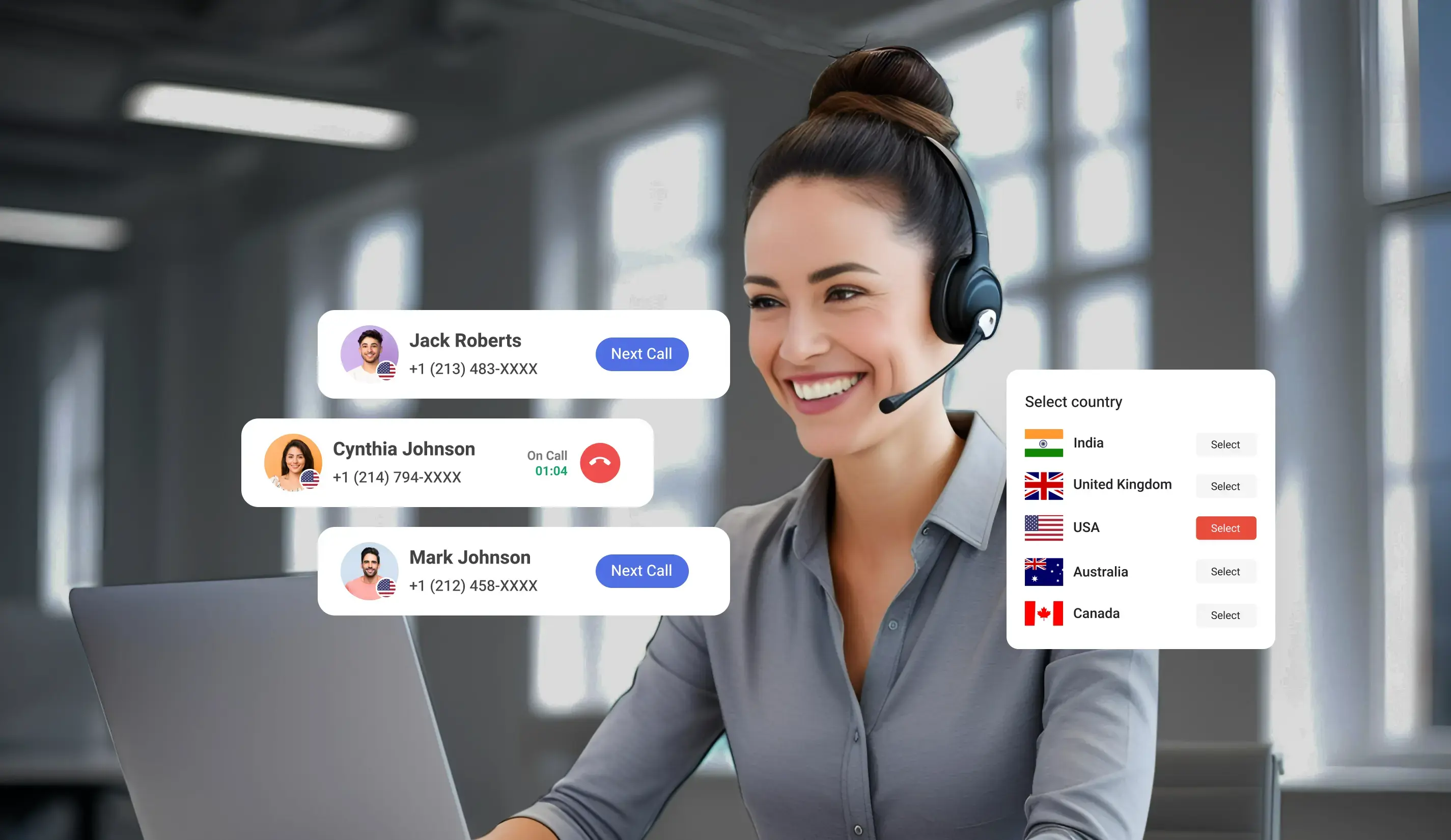
How Contact Center Analytics Improves Agent Performance and Customer Experience

7 mins read

Posted on Aug 13, 2024
Kishore Kumar
SEO


Kishore Kumar
SEO






Contact centers handle hundreds or thousands of customer conversations every day. However, a high call volume does not always mean customers are receiving good service. Long waiting times, repeated calls, unresolved issues, and inconsistent agent performance can affect customer satisfaction.
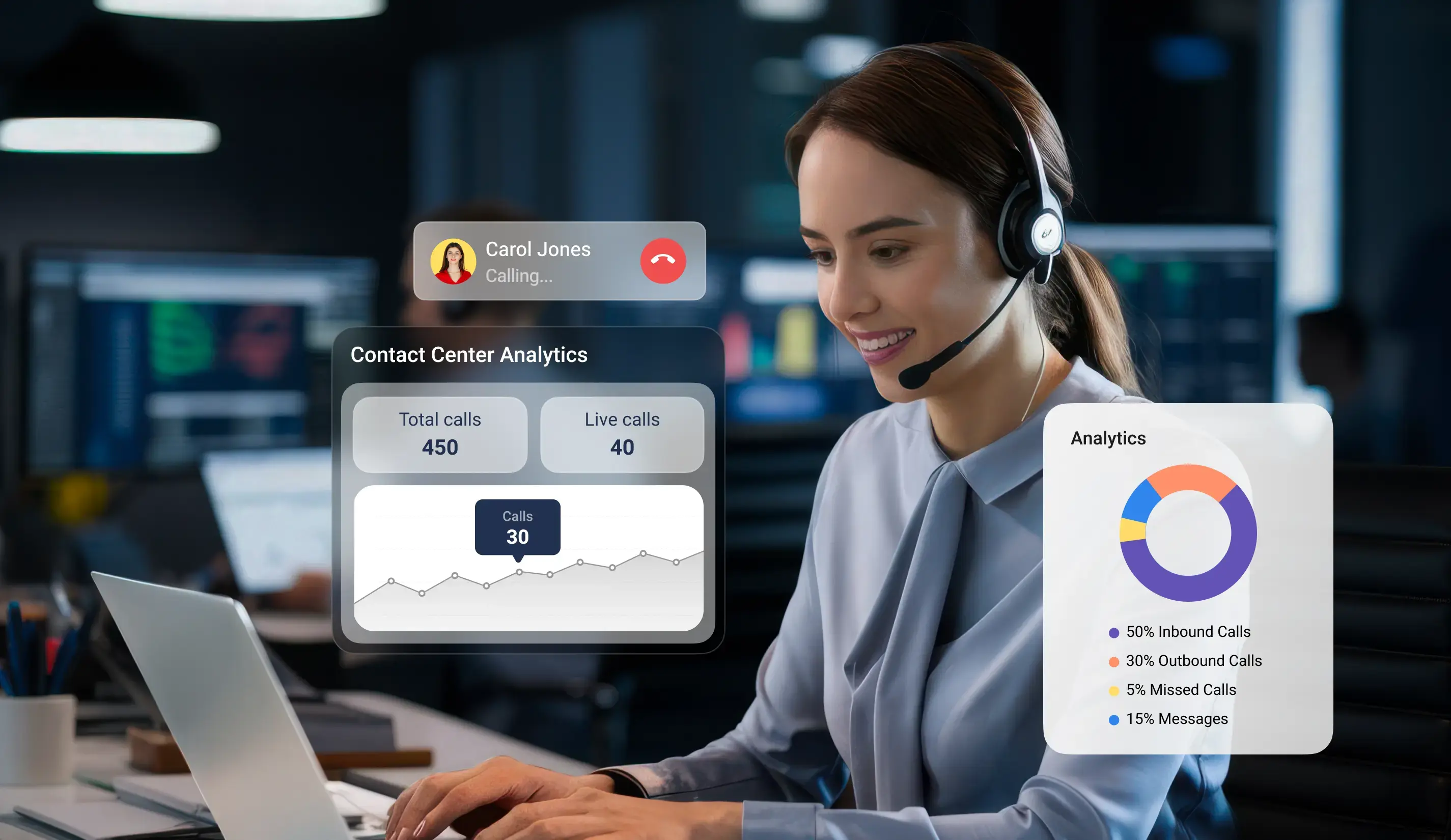
Contact center analytics helps businesses understand what happens during customer interactions and identify where service can improve. By analyzing call data, agent performance, customer feedback, and conversation patterns, businesses can make better decisions and deliver more consistent support.
Instead of relying only on customer complaints or manual reports, managers can use analytics to identify problems early, improve agent productivity, and create a better customer experience.
What is Contact Center Analytics?
Contact center analytics is the process of collecting and analyzing customer interaction data to understand service quality, agent performance, and operational efficiency.
It can include call records, waiting times, resolution rates, customer feedback, conversation transcripts, and agent activity. Advanced platforms also use artificial intelligence (AI) to identify recurring customer concerns, recognize sentiment, and uncover patterns across conversations.
For example, if customers repeatedly contact a support team about the same billing issue, analytics can help managers identify the pattern and investigate the underlying cause.
The goal is simple: turn customer interaction data into useful insights that help businesses improve their service.
Types of Contact Center Analytics
The system offers a range of contact center analytics to provide comprehensive data, detailed reports, and valuable insights. Here's the list of analytics that are focused explicitly on contact center solutions:
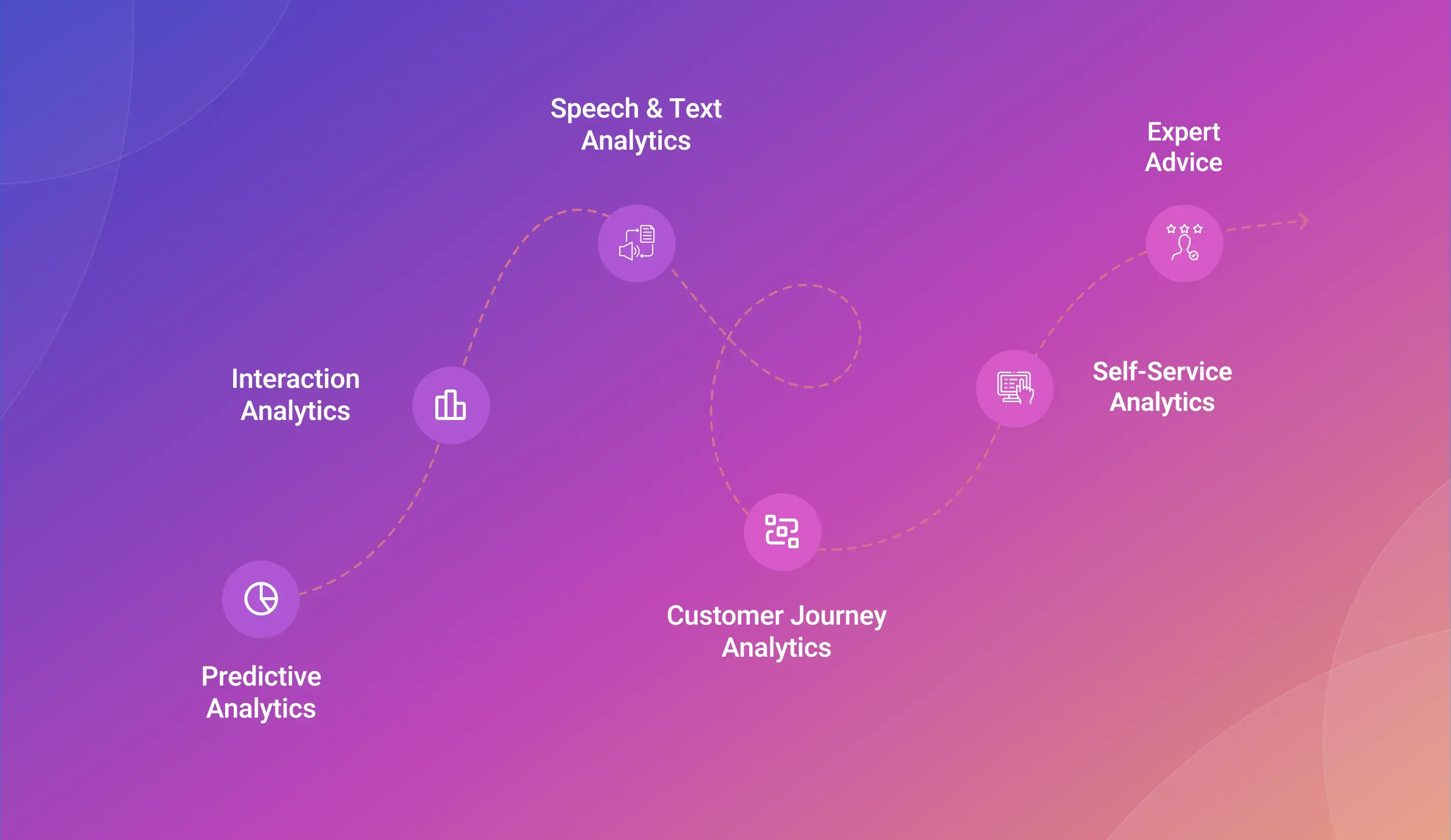
- Real-Time Contact Center Analytics
- Agent Performance Analytics
- Call Quality Analytics
- Post-Call Analytics and AI Reporting
- Call Volume and Missed Call Analytics
- Call Flow and IVR Analytics
How Does Contact Center Analytics Improve Agent Performance?
Agent performance depends on more than the number of calls handled. Businesses also need to understand how effectively agents resolve customer problems and communicate with customers.
Here are five ways analytics can help.
1. Identify Agent Performance Gaps
Contact center performance analytics helps managers evaluate important indicators such as average handling time, first contact resolution, customer satisfaction, and quality scores.
These measurements help managers understand where an agent performs well and where additional support may be needed.
For example, an agent may handle calls quickly but receive low customer satisfaction scores. Reviewing the relevant interactions can reveal whether the agent needs better product knowledge, communication training, or improved troubleshooting guidance.
2. Improve First Contact Resolution
First contact resolution (FCR) measures how often customer issues are resolved during the first interaction without requiring another contact.
A low FCR rate may indicate unclear processes, insufficient agent training, or limited access to customer information.
By examining repeat calls and unresolved cases, managers can identify common obstacles and improve support procedures. This helps customers spend less time explaining the same problem and reduces unnecessary work for agents.
3. Enhancing Operational Efficiency
Traditional agent coaching often depends on manually reviewing a small number of calls. This can make it difficult to identify recurring performance issues.
Call center analytics software can help managers identify conversations that require attention and recognize patterns across multiple interactions.
Managers can then provide specific feedback based on actual customer conversations. For example, they might coach agents on handling objections, explaining solutions clearly, or responding calmly to frustrated customers.
Focused coaching helps agents develop practical skills instead of receiving only general performance feedback.
4. Balance Workloads and Reduce Waiting Times
Analytics can reveal call arrival patterns, peak hours, average waiting times, and periods when agents are overloaded.
Managers can use these insights to plan staffing more effectively and adjust schedules according to customer demand.
For example, if Monday mornings consistently generate more support calls, managers can arrange additional coverage during that period. Better planning can reduce queue times, improve agent workload distribution, and help maintain service quality during busy periods.
5. Recognize Customer Sentiment and Recurring Issues
AI-powered conversation analytics can analyze speech or transcripts to identify customer sentiment, recurring complaints, and common reasons for contact.
If customers frequently express frustration about delivery delays or account access, managers can investigate the cause instead of treating every complaint as an isolated incident.
These insights can also help agents understand customer needs and respond more effectively during future conversations.
How Does Contact Center Analytics Improve Customer Experience?
A better customer experience starts with understanding what customers actually experience when they contact support.
Contact center customer experience analytics helps businesses identify friction points across customer interactions and prioritize improvements.
For example, analytics can reveal that customers frequently abandon calls after long waiting times, contact support multiple times for the same issue, or receive inconsistent answers from different agents.
Businesses can use these findings to simplify processes, improve routing, update agent knowledge resources, and resolve common service problems.
Analytics can also help managers monitor customer satisfaction trends over time. By comparing feedback with operational metrics, they can understand whether changes to staffing, training, or support processes are improving the customer experience.
The result is a more informed approach to customer service, supported by measurable evidence rather than assumptions.
Which Contact Center Metrics Should Businesses Track?
Businesses should review these metrics together rather than optimizing one number in isolation. For example, reducing average handling time is not necessarily an improvement if agents rush conversations and leave customer issues unresolved.
How Can Businesses Get More Value From Contact Center Analytics?
To turn analytics into measurable improvements, businesses should follow a consistent process.
Define clear objectives: Identify whether the priority is improving customer satisfaction, reducing repeat calls, increasing resolution rates, or managing waiting times.
Choose relevant metrics: Track measurements that directly support those objectives.
Review trends regularly: Look for recurring issues across teams, customer segments, and time periods.
Take action on insights: Improve training, staffing, call routing, or support procedures based on the findings.
Measure the results: Compare performance before and after making changes to understand what works.
Businesses should also consider data privacy, access controls, and applicable recording requirements when collecting and analyzing customer conversations.
Conclusion
Contact center analytics helps businesses understand why customer service problems occur and what they can do to solve them. By measuring agent performance, identifying recurring customer issues, and monitoring service quality, organizations can make more informed operational decisions.
The greatest value comes from acting on the insights. Businesses that regularly review their data, coach agents effectively, and improve customer support processes can build more efficient contact centers and deliver better customer experiences.
Businesses looking to improve these capabilities can explore Contact Center Solutions that support their customer communication and service management needs.
Frequently Asked Questions
What is the main purpose of contact center analytics?
The main purpose is to turn customer interaction data into actionable insights that help businesses improve agent performance, service quality, operational efficiency, and customer satisfaction.
How does AI improve contact center analytics?
AI can analyze large volumes of conversations, identify recurring customer concerns, detect sentiment patterns, and highlight interactions that may require further review. This helps managers discover trends that manual analysis might miss.
What is the difference between call center analytics and contact center analytics?
Call center analytics traditionally focuses on telephone interactions. Contact center analytics can cover a wider range of customer communication channels, depending on the platform, including calls, chats, emails, and other supported interactions.
Can contact center analytics help reduce operating costs?
Yes. Analytics can help identify avoidable repeat contacts, inefficient processes, staffing gaps, and common customer issues. Addressing these problems can reduce wasted effort and improve resource utilization.
Ready to improve your customer experience?
Explore TeleCMI’s contact center solutions to gain insights into agent performance and customer interactions.
Kishore Kumar

SEO Specialist


 for your Call Center and Enhance Efficiency_.webp)