Small Business Phone Plans: Types, Costs, and How to Choose in 2026

6 mins read

Posted on Jul 03, 2025
.webp)
Kishore Kumar
SEO


Kishore Kumar
SEO






Choosing the right small business phone plans helps businesses manage customer calls, control communication costs, and maintain a professional image. Whether you run a startup, a small office, or a growing team, the right plan should match your calling needs, budget, and business goals. Understanding the available options makes it easier to select a reliable solution without paying for unnecessary features.
What Are Small Business Phone Plans?
Small business phone plans are communication plans designed to help small companies make and receive business calls. Depending on the provider, these plans may include business phone numbers, calling minutes, voicemail, call forwarding, and advanced call management features.
Unlike personal phone plans, business plans can support multiple employees, shared calling systems, and centralized call management. They help businesses separate professional conversations from personal calls while making communication easier to manage.
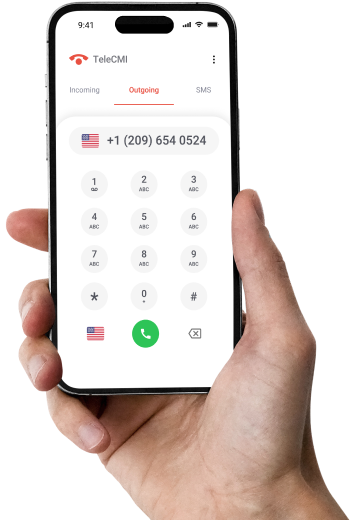
Discover affordable phone plans built to keep your small business connected and growing!
Start Free TrialWhat The 10 Best Small Business Phone Plans
Businesses can choose from several types of phone plans depending on their team size, budget, and communication requirements.
- Shared numbers, scheduled messages
1)Business Mobile Phone Plans
Business mobile plans provide calling services through mobile devices. They are useful for employees who travel frequently, meet customers outside the office, or need to remain reachable while working remotely.
2)VoIP Phone Plans
VoIP phone plans for small businesses use an internet connection to transmit voice calls. Depending on the provider and plan, businesses can access features such as call forwarding, voicemail, call routing, and business calling applications without relying on traditional telephone infrastructure.
3. Virtual Business Phone Plans
Virtual phone plans allow businesses to manage calls through internet-connected devices. They can help small teams establish a professional business presence, route incoming calls, and support employees working from different locations.
How Much Do Small Business Phone Plans Cost?
The cost of a small business phone plan depends on the provider, number of users, calling requirements, and included features. Some providers charge per user, while others offer usage-based pricing or customized packages.
Before choosing a plan, compare the monthly subscription, included calling minutes, additional phone numbers, international calling rates, and optional features.
TeleCMI starting price:
TeleCMI's published business phone plan information has advertised pricing starting at $14.99 per user per month. Pricing and plan availability may vary by product, region, billing term, and current offer. Check the TeleCMI Pricing Information for the latest applicable rates before purchasing.
- To estimate your total cost, consider:
- Number of employees who need calling access.
- Expected monthly inbound and outbound call volume.
- Additional local or toll-free numbers.
- International calling and usage charges.
- Premium features, integrations, or support requirements.
Comparing the total monthly cost rather than the advertised starting price helps you choose a plan that fits your budget.
What Features Should a Small Business Phone Plan Include?
The right features help businesses handle calls efficiently and deliver a better customer experience.
Call forwarding: Redirect incoming calls to the appropriate employee or device.
Auto attendant and IVR: Guide callers through menu options without requiring a receptionist to answer every call.
Voicemail: Capture messages when employees are unavailable.
Call routing: Direct calls to the right team or department based on business requirements.
CRM integration: Connect calling workflows with customer relationship management tools when supported.
Call analytics: Review calling activity and identify opportunities to improve communication.
Mobile and desktop access: Help employees manage business calls from supported devices and locations.
Not every business needs every feature. Start with the functions your team uses regularly, then consider advanced capabilities as your communication needs grow.
How to Choose the Right Phone Plan for Your Small Business
Assess Your Team Size
Determine how many employees need individual access, shared lines, or separate business numbers. Choose a plan that accommodates your current team without making future expansion unnecessarily complicated.
Evaluate Your Calling Needs
Review your average call volume, typical call duration, and international calling requirements. Businesses that make frequent customer calls may benefit from plans with predictable pricing and suitable calling allowances.
Compare Features and Pricing
Compare providers based on total cost, included features, service availability, and customer support. Check whether essential features are included or require additional payments.
Consider Remote Work and Growth
If employees work from different locations, look for a solution that supports calling through compatible mobile and desktop applications. Flexible user management can also make it easier to accommodate new employees as your business expands.
Why Consider TeleCMI for Small Business Phone Plans?
TeleCMI provides cloud-based business communication solutions designed to help companies manage calls and support their teams. Depending on the selected product and plan, businesses can access capabilities such as call routing, IVR, call recording, analytics, and CRM integrations.
Cloud-based calling can also help teams handle business communications across supported devices and locations. Before choosing a plan, review the available features, usage charges, and pricing conditions to ensure they meet your requirements.
Explore TeleCMI's Business Phone System to learn more about its capabilities and available options.
Conclusion
Conclusion
The best small business phone plans balance affordability, reliable calling, useful features, and room for growth. By evaluating your team size, call volume, and communication priorities, you can select a plan that supports everyday operations without unnecessary costs. Compare available options carefully and choose a solution that fits your business today and as it expands.
Frequently Asked Questions
What is the cheapest phone plan for a small business?
The cheapest option depends on the number of users, calling volume, and required features. Compare subscription fees and additional charges before choosing a plan.
Are VoIP phone plans suitable for small businesses?
Yes. VoIP phone plans can help small businesses manage calls over the internet while providing features such as call forwarding, voicemail, and routing, depending on the provider.
Can employees use their personal mobile phones for business calls?
Yes. Many Cloud Based Phone System support business calling through compatible mobile applications, helping employees separate business communications from personal numbers.
How many phone lines does a small business need?
The number depends on employee responsibilities, simultaneous call volume, and customer demand. Review your calling patterns before deciding how many users, numbers, or channels you need.
Can a business change its phone plan as it grows?
Many providers offer scalable plans that allow businesses to add users or features. Review contract terms, upgrade options, and additional charges before committing.
Kishore Kumar

SEO Specialist


.webp)